Aesthetics Wiki

Sharpies, also known as Sharps (not to be confused with SHARP), were members of a youth subculture and gang phenomenon in Australia, active primarily during the 1960s and 1970s.[1] The subculture was most prominent in Melbourne but also had a presence in Sydney and Perth. Adherents, often from working-class backgrounds, were characterized by their rebellious nature and involvement in gang violence. The gangs were highly territorial, frequently named after their suburb or street, and engaged in conflicts with rival gangs or with local surfers.

The name "Sharpie" is thought to derive from their early "sharp" and "clean" fashion aesthetic. Despite having a distinctive look, the subculture was short-lived and remains poorly documented. It is considered a distinctly Australian phenomenon, though its fashion drew influences from international subcultures like Greasers, Mods, and Skinheads.

History[]

The Sharpie subculture originated in Australia in the early 1960s, primarily in the working-class suburbs of Melbourne, with a smaller presence in Sydney. Its emergence coincided with a postwar influx of European immigrants, whose fashion and culture were a key influence. The subculture developed through several distinct phases, with the first wave lasting from approximately 1964 to 1970. During this time, Sharpies were distinguished by a neat and conservative style, with boys wearing custom-made suits and short haircuts, setting themselves apart from the declining rocker look of the era and the emerging hippie movement. The term "Sharpie" was reportedly coined by the youth themselves to describe their "sharp" and well-dressed appearance. This early generation's history is less documented than later periods.

By the early 1970s, the subculture entered its more recognized and iconic phase, becoming a popular youth movement in Victoria that lasted until the early 1980s. This period saw the Sharpie aesthetic become more aggressive, drawing influences from British skinhead culture. The style was characterized by a more body-clinging and defiant look. Sharpies were a highly visible subculture, congregating in large numbers at live music venues, town hall dances, and discos. They formed a strong connection with Australian pub rock and hard rock bands of the time, such as Rose Tattoo, AC/DC, and Lobby Lloyde and the Coloured Balls.

Throughout its existence, the subculture was known for being territorial and violent, with fights occurring between rival Sharpie gangs as well as with other youth groups like rockers and mods. This behavior attracted significant media attention, which often amplified public anxieties and led to the creation of a "moral panic."[2] As a result, the subculture was frequently portrayed as a societal threat. The increasing visibility of Sharpies and their association with violence eventually led to intensified police crackdowns. By the mid-1980s, the subculture had largely died out, influenced by a new wave of youth culture, the rise of different musical genres, and the criminalization of its members.

Fashion[]

Screenshot-2018-12-15-at-16.41.47
Sharpies-are-still-australias-best-gang-110-1438311828

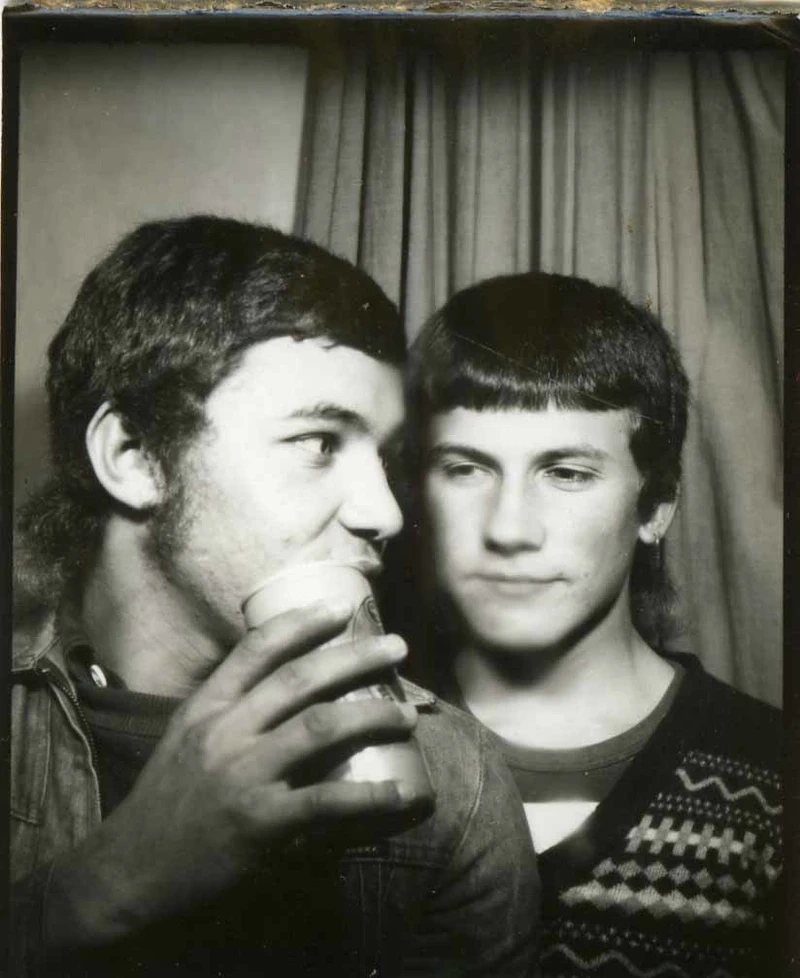
The popular Sharpie haircut, with visible ear piercings.

Sharpies-are-still-australias-coolest-gang-body-image-1438312335

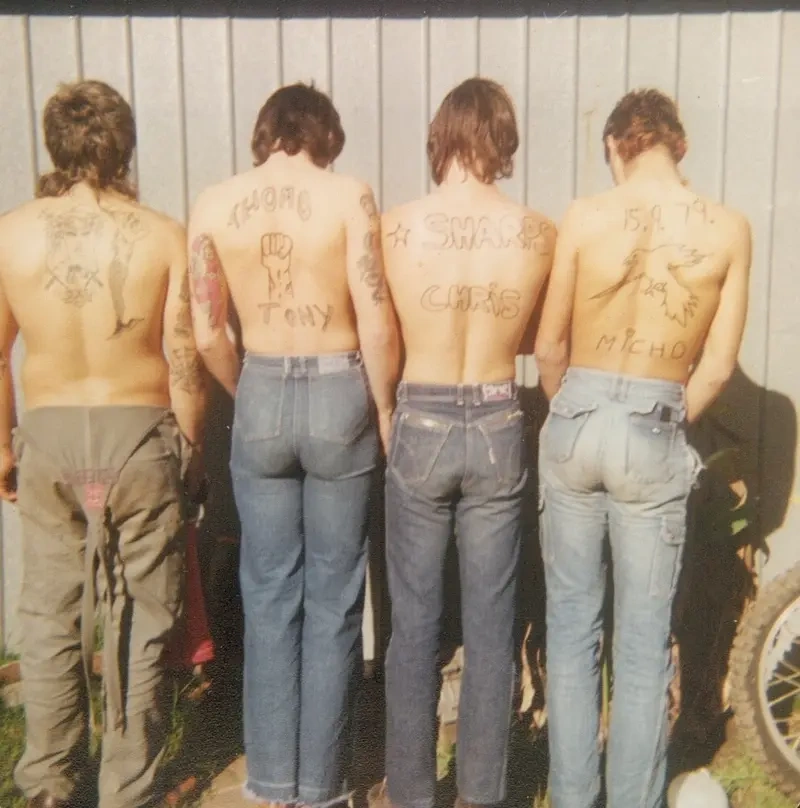
Some Sharpies got the names of their core gang members tattooed on them.

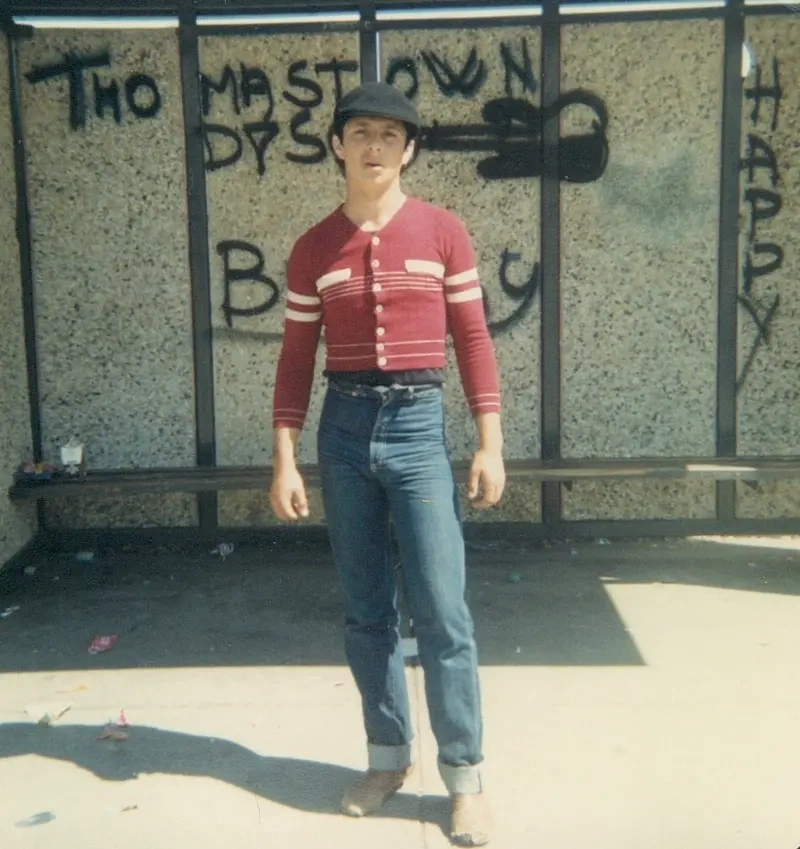
Sharpie fashion has its roots in 20th-century American cultural trends, drawing influences from Greaser, Mod, Biker, and Rockabilly styles. The look, which was initially characterized by a clean and "sharp" silhouette, evolved by the 1970s to incorporate the then-fashionable flare-legged pants. For all genders, a classic look consisted of a mullet haircut, high-waisted flared pants or jeans, and a cardigan.

The most defining item of Sharpie clothing was the ultra-tight cardigan, known as a "Conny." The name originates from Mr. Conti, a Greek tailor in the Thornbury neighborhood of Melbourne who designed them. Connys were often striped and worn several sizes too small to emphasize the wearer's physical build. They typically featured five buttons and a small belt at the back, and it was common for individuals to have custom versions made with unique colors and designs.

Sharpie girls, referred to as "brushes," also wore Connys but had a broader variety of fashion options, including twinsets, pleated skirts, miniskirts, or pinafores. For footwear, heavy platform shoes were the standard for everyone, with subtle design variations providing signals about a person's neighborhood of origin.

Hairstyles centered on a distinctive mullet: short on the top and sides with a longer length at the back. Bleached and red-dyed hair was also a popular choice. The hairstyle’s short sides drew attention to a growing trend of the male pierced ear, which was embraced as a defiant expression of masculinity against the more traditionally "feminine" long hair of hippie street fashion. Multiple tattoos, both professional and homemade, were also considered a standard part of the Sharpie look, even though tattooing was illegal for minors.

Music[]

The subculture was deeply connected to the local music scene in Melbourne, with members frequently gathering at live concerts held in town halls, high school dances, and early discos. The music they favored was predominantly Australian pub rock and hard rock. Bands such as Rose Tattoo, AC/DC, Billy Thorpe and the Aztecs, and Lobby Lloyde and the Coloured Balls were particularly popular. Some Sharpies also had a fondness for American soul and British beat music, which was popular on dance floors at the time. The subculture also created its own dances, such as "the Break" or "the Sharpie Shuffle," which was a form of line dancing, and "the Sharpie Rock," which was a couples dance with roots in 1950s rock and roll.

Media[]

Film[]

  • Queeny (1994)
  • Deep (1997)
  • Suburban Warriors (2003)

Television[]

  • Four Corners (1966)
  • New Dimensions in Time (2002)

Literature[]

  • Top Fellas: The Story of Melbourne's Sharpie Cult (2004)
  • Rage: A Sharpie's Journal Melbourne 1974–1980 (2010)
  • Once Were Sharps: The Colourful Life and Times of the Thomastown Sharps (2011)
  • Out with the Boys: The Sharpie Days (2011)

Gallery[]

References[]

Navigation[]

Subcultures

Music-Based
Acid HouseRaveEBMEmoGabberGothGreaserGrungeHip-HopHippieIndustrialJuggaloMadchesterMetalNew Beat (Belgium) • New Partisans (Yugoslavia) • New WaveNorthern Soul (UK) • PunkPsychobillyRiot GrrrlRockabillyRude BoySkinheadUK DrillVisual Kei (Japan) • Yé-yé

Lifestyle & Fashion
AmericanaBikerBlokecoreCasuals (UK) • Club KidDecoraDiscoFlapperHypebeastLolitaModNerdPaninaro (Italy) • Poppers (Germany) • Poppare (Sweden) • RivetheadSceneSkaterSteampunkSurferTeddy BoysWota

Regional or Class-Related
Bikiniarze (Poland) • Bosozoku (Japan) • Chav (UK) • Chonga (USA) • Cholo (USA) • Dizelaši (Serbia) • Dresiarz (Poland) • Flogger (Argentina) • Garçonne (France) • Gopnik (Russia) • Guido (US) • Gyaru (Japan) • Halbstarke (Germany) • Jejemon (Philippines) • Jirai Kei (Japan) • Kogal (Japan) • Krocha (Austria) • Lad Culture (UK) • La Sape (Congo) • Milipili (Argentina) • New Primitivism (Yugoslavia) • Otaku (Japan) • Pijo (Spain) • Pokemón (Chile) • Raggare (Sweden) • Raxet (Spain) • Rolinga (Argentina) • Shamate (China) • Skhothane (South Africa) • Sloanie (UK) • Stilyagi (Russia) • Swenkas (South Africa) • Swingjugend (Germany) • Tecktonik (France) • UltrasWixa (Poland) • Yabi (China) • Yuppie (US)

Digital & Internet
E-Girls and E-BoysGamerDead Inside (Russia, Ukraine) • HipsterOtaku (Japan) • Scene

Related Concepts
AlternativePoserUnderground Culture